

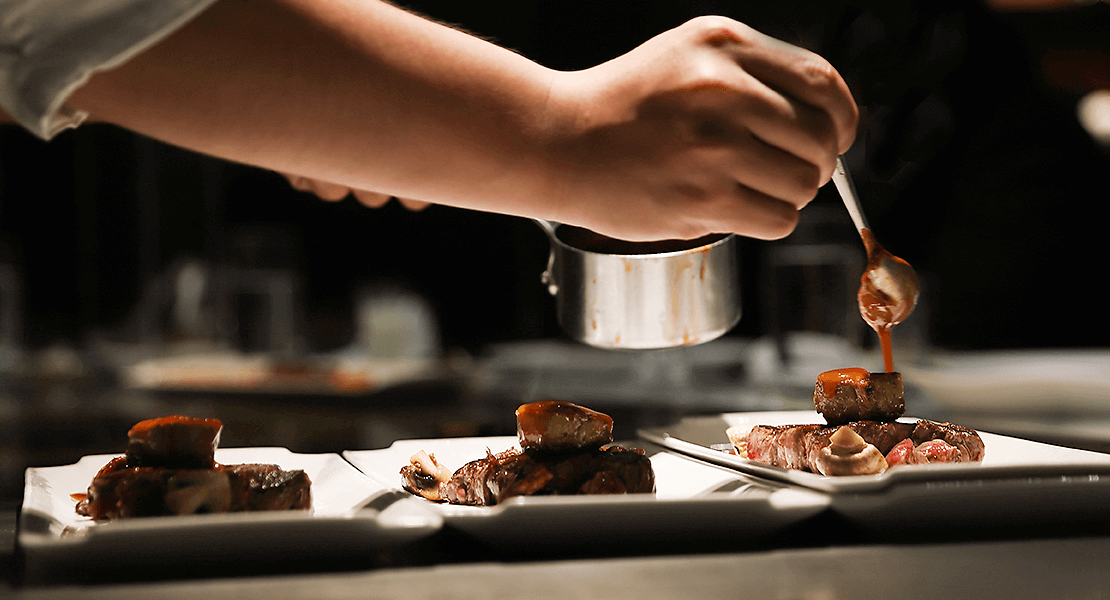
Food today is more than nourishment; it’s a multisensory experience shaped by art, chemistry, and emotion. Modern chefs no longer rely solely on traditional recipes — they now turn to science to craft dishes that evoke surprise, delight, and curiosity. At the forefront of this culinary revolution lies the science of flavor pairing, a cornerstone of molecular gastronomy that reveals how ingredients interact on a molecular level to produce extraordinary tastes.
This is not about basic cooking. It’s about understanding the invisible chemistry of taste and how innovative chefs use data, molecules, and sensory psychology to reinvent dining experiences.
What Is Molecular Gastronomy?
Molecular gastronomy is the scientific study of cooking processes. It bridges chemistry and physics with culinary art to understand what happens when food is heated, cooled, emulsified, or transformed. But beyond technique, it’s about creating novel flavor experiences by exploring how ingredients behave at the molecular scale.
The term was popularized by physicist Hervé This and chemist Nicholas Kurti, who wanted to decode the science behind everyday cooking. Their work has inspired world-class chefs — from Ferran Adrià to Heston Blumenthal — to experiment with ingredients in unprecedented ways, leading to creations like edible foams, liquid nitrogen sorbets, and transparent ravioli.
Molecular gastronomy challenges the boundaries of traditional cooking by asking a simple yet profound question: Why do certain ingredients taste so good together?
The Chemistry Behind Flavor Pairing
Every ingredient has its own chemical fingerprint — a combination of hundreds of volatile compounds that give it its distinctive aroma and taste. The principle of flavor pairing suggests that foods sharing similar compounds are likely to taste harmonious together.
For instance:
-
Chocolate and blue cheese both contain methyl ketones, which create a deep, earthy undertone.
-
Strawberries and basil share eugenol, a compound also found in cloves, giving both ingredients a spicy-sweet dimension.
-
Pineapple and rum contain ethyl butyrate, responsible for their tropical, fruity scent.
Chefs use gas chromatography and mass spectrometry to identify overlapping compounds between ingredients. This scientific approach uncovers unexpected pairings — like caviar with white chocolate — that challenge traditional flavor boundaries while maintaining balance and appeal.
The Role of Sensory Perception in Flavor
Flavor is not only about the tongue. It’s a multisensory experience involving aroma, texture, sight, and even sound. Understanding this allows chefs to manipulate the diner’s perception using temperature, plating, and texture contrast.
The Five Basic Tastes
There are five universally recognized tastes:
-
Sweet – Signals energy-rich foods like fruits or honey.
-
Sour – Indicates acidity, often from citrus or fermentation.
-
Salty – Enhances flavor and balances sweetness or bitterness.
-
Bitter – Naturally protective, often signaling toxicity or antioxidants.
-
Umami – The savory depth found in ingredients like mushrooms, aged cheese, and soy sauce.
Balancing these taste profiles creates harmony. Molecular gastronomy goes further by exploring how these tastes interact chemically, enabling chefs to design dishes that stimulate contrasting yet complementary sensations.
Beyond Taste: Texture, Aroma, and Temperature
A crucial part of advanced flavor pairing lies in manipulating texture and temperature. These factors influence how flavors are perceived and how aromas are released.
-
Texture adds a physical dimension to eating. A crunchy element can offset creaminess, creating balance and excitement.
-
Temperature affects volatility — cold temperatures mute aromas, while heat amplifies them. Serving a dish with components at varying temperatures can reveal hidden notes.
-
Aroma layering involves sequencing scents so that one aroma dominates first, followed by subtle undertones. This technique is used in high-end tasting menus to create a narrative of flavor throughout the meal.
Data-Driven Flavor Design
In recent years, technology has entered the kitchen through AI-powered flavor analysis. Platforms like Foodpairing® use machine learning to map the molecular structure of ingredients, helping chefs discover novel pairings based on shared compounds rather than traditional intuition.
For example, a chef can input an ingredient such as “black garlic,” and the algorithm might suggest unexpected companions like coffee, miso, or dark rum, based purely on molecular compatibility. This scientific precision expands creativity while maintaining balance, turning the kitchen into both a laboratory and a playground for innovation.
Cross-Cultural Fusion Through Molecular Pairing
Molecular gastronomy also provides a framework for cross-cultural fusion, blending cuisines from different parts of the world in scientifically harmonious ways. By studying compound similarities, chefs can pair ingredients from vastly different traditions that have never historically coexisted.
For instance:
-
Korean gochujang (fermented chili paste) pairs surprisingly well with Belgian chocolate, thanks to shared roasted, umami-rich compounds.
-
Indian cardamom complements Nordic juniper berries, creating an aromatic bridge between spice and pine.
-
Japanese nori and South American cocoa nibs both contain glutamates that amplify umami depth.
This molecular understanding allows chefs to break culinary borders, giving rise to a truly global cuisine where tradition meets innovation.
The Psychological Aspect of Flavor
Flavor perception is not purely physical — it’s deeply psychological. Our brain interprets flavors based on memory, expectation, and context. For example, a strawberry-flavored dessert served with the sound of birds chirping may feel fresher and more natural, while the same dish served with deep instrumental music might evoke richness or nostalgia.
Chefs use this neurogastronomic approach to evoke emotions through food, crafting experiences that connect on a sensory and emotional level. The interplay of science and psychology transforms dining into storytelling — a form of edible art that engages all senses simultaneously.
The Future of Flavor: Sustainable and Ethical Innovation
As chefs delve deeper into molecular gastronomy, they’re also embracing sustainability and ethics as part of innovation. Advanced flavor pairing enables the use of alternative proteins, fermented ingredients, and upcycled food while maintaining exquisite taste.
For example, plant-based butters enhanced with methyl lactate compounds can mimic the aroma of dairy butter without animal fat. Similarly, fermented legumes can be molecularly tuned to replicate the umami profile of aged cheese. This scientific precision is reshaping the future of sustainable gastronomy — one molecule at a time.
Practical Application for Chefs and Food Scientists
Professionals in the culinary field can apply molecular gastronomy principles to:
-
Design signature flavor combinations that distinguish their brand.
-
Reduce ingredient waste by identifying alternative pairings.
-
Enhance plant-based menus with complex flavor layering.
-
Develop food products that satisfy both sensory and nutritional criteria.
-
Collaborate with scientists to bring innovation from the lab to the plate.
The fusion of data, chemistry, and creativity is not replacing intuition — it’s refining it.
FAQs
1. What makes two ingredients compatible on a molecular level?
Compatibility is determined by shared volatile aroma compounds. The more overlap two ingredients have in their molecular makeup, the more likely they will create a harmonious flavor when combined.
2. Can molecular gastronomy be applied to home cooking?
Yes, though simplified. Home cooks can experiment with basic techniques such as emulsions, foams, and gels to understand how texture and temperature affect flavor.
3. Is flavor pairing the same as food pairing by culture or tradition?
Not exactly. Traditional food pairings rely on cultural evolution and taste preferences, while molecular pairing is based on chemical and sensory analysis.
4. How do chefs test new pairings before serving them?
They often conduct sensory trials — testing combinations in controlled portions, adjusting ratios, and using aroma wheels or pairing maps to refine results.
5. Does flavor pairing only apply to fine dining?
No. The principles are increasingly used in beverage design, snack development, and plant-based product innovation in the food industry.
6. How does technology influence flavor innovation today?
AI and molecular databases allow chefs to analyze thousands of ingredients quickly, discovering new flavor possibilities that human intuition alone might overlook.
7. What ethical concerns exist in molecular gastronomy?
Key issues include accessibility, sustainability, and ensuring that innovation doesn’t alienate traditional food cultures. The best chefs use science to enhance heritage, not replace it.