

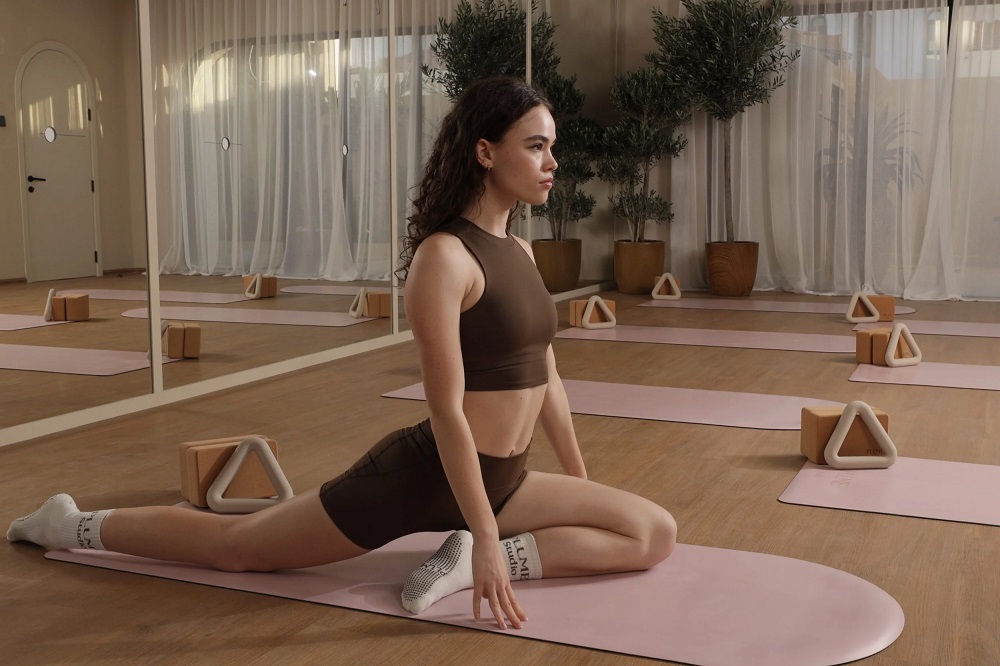
A consistent yoga studio Singapore practice can support long-term wellbeing by improving mobility, body awareness, breathing habits and stress recovery. While many people begin yoga because they feel stiff or tired, the deeper value appears when practice becomes regular enough to influence how the body functions every day. Long-term wellbeing is not built through occasional effort. It comes from repeated habits that help the body move well, recover well and respond better to pressure. Yoga is effective because it works across several layers at once. It improves movement quality, trains attention and encourages a healthier relationship with effort and rest.
Why consistency changes the body more than intensity alone
Many people believe progress depends on doing the hardest class or pushing the deepest stretch. In reality, the body changes through consistent exposure to safe and varied movement. A moderate practice done regularly can be more beneficial than an intense session done occasionally. Consistency allows muscles, joints and connective tissues to adapt gradually. It also helps the nervous system become more familiar with calm breathing and controlled effort. Over time, students may feel less restricted, less reactive and more aware of their physical habits. A studio environment supports this consistency because it provides structure. Students know when classes happen, what to expect from the space and how to follow teacher guidance. This reduces the effort needed to maintain the routine.
Mobility as a foundation for wellbeing
Mobility is often misunderstood as flexibility. Flexibility is the ability of muscles to lengthen, while mobility includes control, strength and usable range of motion. A person may be flexible in one area but still lack stability. Another may be strong but move stiffly. Yoga supports mobility because many postures combine range and control. Standing poses strengthen the legs while improving alignment. Twists encourage spinal rotation. Hip openers support lower body ease. Balance poses build coordination and stability. Better mobility affects daily life in practical ways. It can make sitting, walking, bending and reaching feel more comfortable. It can also reduce the strain caused by repetitive work positions.
The problem with waiting for pain before moving
Many adults pay attention to mobility only after discomfort becomes obvious. They may ignore stiffness until the lower back aches, the neck feels restricted or the hips feel uncomfortable after sitting. Waiting for pain is not an ideal wellness strategy. Regular yoga encourages earlier awareness. Students start to notice small signs of imbalance before they become serious. They may realise that one side of the body feels tighter, that their shoulders lift when they are stressed or that their breathing changes during effort. This awareness helps people care for the body before it demands attention through pain.
How studio practice creates accountability
Consistency is easier when the environment supports it. At home, practice can be postponed again and again. In a studio, the schedule creates accountability. The student commits to a class, arrives at a specific time and follows the session through to the end. This structure is particularly useful for people with busy routines. They do not need to design a practice from scratch. They simply need to show up. Over time, showing up becomes the habit that makes progress possible.
Breath as part of physical wellbeing
Mobility is not only about muscles and joints. Breathing affects how the body moves. When a person holds the breath during effort, the body often becomes tense. When the breath is steady, movement can become more controlled and less reactive. Yoga teaches students to connect breath with movement. This helps them recognise when they are forcing a posture or moving too quickly. It also helps the body settle after physical effort. For long-term wellbeing, this connection between breath and movement is extremely useful.
Signs that breath and mobility are improving
Students may notice several changes over time:
- Easier transitions between postures
- Less gripping in the shoulders and jaw
- More comfortable deep breathing
- Better balance during standing movements
- Less stiffness after long sitting periods
- Improved ability to relax after class
These changes may be subtle, but they can make everyday life feel easier.
The mental benefit of regular movement
Consistent studio practice also affects the mind. A regular class gives people a predictable space to pause, observe and reset. This can be especially important for those who spend the day solving problems, managing people or responding to constant information. The mind often becomes calmer when the body is given clear, structured movement. Yoga requires attention to posture, breath and sensation. This attention pulls students away from rumination and helps them return to the present moment.
Why long-term wellbeing needs adaptability
A useful wellness routine should adapt to life changes. Some weeks may be busy. Some seasons may be physically demanding. Some days may require a slower practice. Studio yoga allows for this flexibility because different class styles can support different needs. A person may choose a stronger practice to build heat and stamina, then choose a slower class to release tension. This variety helps prevent boredom and supports a more complete approach to wellbeing.
The role of a refined practice space
A thoughtful studio environment can make long-term consistency easier. Yoga Edition offers a setting where students can approach movement with care, structure and intention. This matters because mobility and wellbeing are not built through random effort. They are built through steady practice in an environment that supports focus. When students feel supported, they are more likely to return. When they return regularly, the benefits become more meaningful.
Wellbeing as a daily experience
Long-term wellbeing is not only about avoiding illness or exercising once in a while. It is about how a person feels while sitting at work, walking through the city, sleeping at night and handling stress. Mobility, breath and consistency all influence that experience. A consistent studio practice gives people a practical way to maintain the body before discomfort becomes a crisis. It supports movement, calm and awareness in a way that fits into a modern lifestyle. Over time, this kind of practice can become one of the most dependable foundations for lasting wellbeing.