

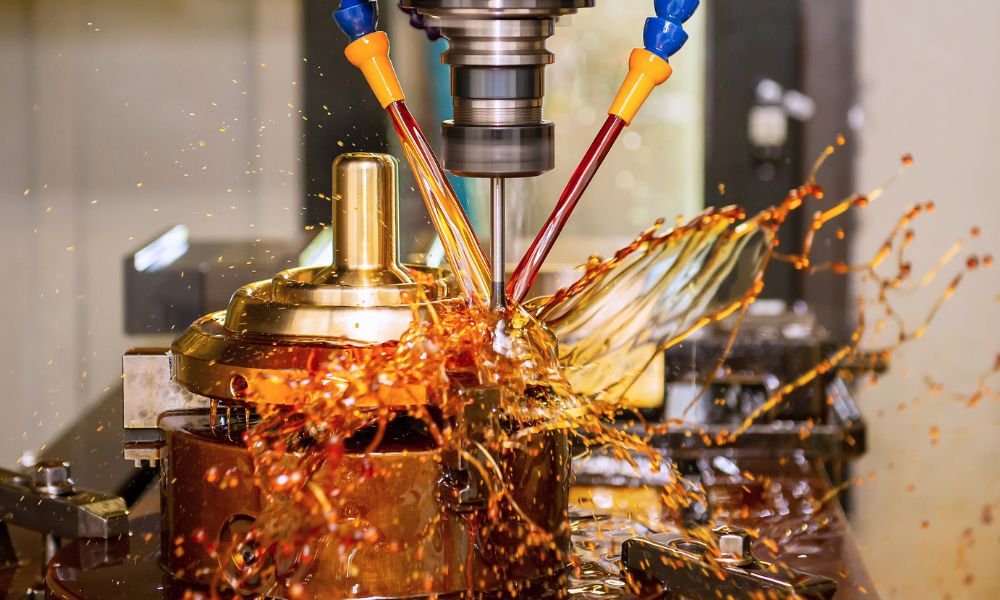
In industrial environments, machinery and equipment are constantly subjected to friction, heat, and wear. Over time, these forces can cause components to degrade, reduce efficiency, and lead to costly repairs or downtime. Proper lubrication is one of the most effective ways to protect machinery, maintain performance, and extend equipment life. Metal lubricants are specifically designed to reduce friction between moving parts, minimize wear, and create a protective layer that shields surfaces from corrosion and heat damage. Choosing the best metal lubricant and integrating it into regular maintenance routines can have a significant impact on the longevity and reliability of industrial equipment.
Understanding Friction and Its Impact on Machinery
Friction is the resistance that occurs when two surfaces move against each other. In mechanical systems, friction can generate heat, cause wear, and lead to energy loss. High levels of friction increase the force required to operate equipment, reduce efficiency, and accelerate component degradation. For industrial machinery, uncontrolled friction can result in premature failure of bearings, gears, shafts, and other critical parts. By understanding how friction affects mechanical systems, operators can implement solutions that minimize damage and extend operational life.
How Friction Causes Wear
When metal components rub against each other, microscopic irregularities on the surfaces create points of contact that generate heat and stress. Over time, this repeated stress causes metal fatigue, pitting, and surface wear. The cumulative effect can compromise the structural integrity of parts, increase maintenance costs, and lead to unexpected downtime. Industrial lubricant plays a crucial role in mitigating these effects by reducing direct contact between metal surfaces and distributing stress more evenly.
Energy Loss Due to Friction
Friction not only damages machinery but also reduces energy efficiency. In industrial processes where motors, engines, or hydraulic systems are involved, higher friction increases energy consumption and operational costs. A properly applied metal lubricant reduces resistance, allowing equipment to operate smoothly and efficiently, which in turn lowers energy usage and improves overall productivity.
The Role of Metal Lubricants
Metal lubricants are engineered to create a thin protective film between moving parts. This layer prevents direct metal-to-metal contact, reduces friction, and minimizes wear. Depending on the application, metal lubricants can also offer additional benefits such as corrosion protection, heat dissipation, and resistance to chemical exposure.
Reducing Surface Friction
The primary function of a metal lubricant is to reduce friction between contacting surfaces. By filling microscopic gaps and smoothing irregularities, the lubricant allows components to slide past each other with minimal resistance. This not only decreases the effort required to operate machinery but also reduces heat generation and the risk of thermal damage.
Protecting Against Corrosion
Industrial equipment is often exposed to moisture, chemicals, and environmental contaminants. These elements can accelerate rust and corrosion, weakening metal surfaces. Many metal lubricants include corrosion inhibitors that form a protective barrier, preventing oxidation and chemical degradation. This protection is especially important for equipment that is not used continuously or is stored in challenging environments.
Heat Dissipation and Load Distribution
Friction generates heat, which can cause components to expand, warp, or degrade. Metal lubricants help dissipate heat by creating a conductive layer that spreads thermal energy across a larger surface area. This reduces localized stress and prevents hot spots that could damage sensitive parts. Additionally, lubricants help distribute mechanical loads more evenly, reducing wear on high-stress areas and extending the life of components.
Choosing the Best Metal Lubricant
Selecting the right lubricant is critical to achieving optimal performance and equipment longevity. Different machinery, operating conditions, and materials require specific formulations. The best metal lubricant balances viscosity, thermal stability, and protective additives to meet the needs of the application.
Viscosity and Flow
Viscosity determines how easily a lubricant flows and adheres to surfaces. Low viscosity lubricants penetrate tight spaces effectively, while higher viscosity products provide thicker protective films for heavily loaded parts. Understanding the operating conditions of your equipment helps in selecting a lubricant with the right flow characteristics.
Thermal Stability
Industrial equipment often operates under high temperatures. Lubricants with strong thermal stability resist breakdown, maintain consistent performance, and continue to protect surfaces even under heat stress. Using a lubricant that degrades at elevated temperatures can lead to increased friction, wear, and equipment failure.
Additives and Formulation
Metal lubricants often contain additives that enhance performance. Anti-wear agents reduce surface damage, corrosion inhibitors protect against rust, and friction modifiers improve efficiency. Selecting a lubricant with the appropriate additive package ensures that the equipment receives comprehensive protection tailored to the specific operating environment.
Applications Across Industrial Environments
Metal lubricants are used in a wide variety of industrial applications. From manufacturing plants to heavy machinery, these lubricants help maintain optimal performance and prevent unexpected breakdowns.
Manufacturing Equipment
In factories, machines with moving parts such as conveyors, presses, and robotic arms rely on metal lubricants to maintain smooth operation. Proper lubrication reduces wear, prevents overheating, and ensures consistent output.
Automotive and Transportation
Engines, gearboxes, and hydraulic systems benefit from high-quality metal lubricants. These lubricants minimize friction, improve fuel efficiency, and reduce maintenance costs by extending the life of critical components.
Heavy Machinery and Construction
Construction equipment, including excavators, cranes, and loaders, operates under extreme loads and harsh conditions. Industrial lubricant helps protect metal surfaces from wear and corrosion, even in environments with dirt, moisture, and temperature fluctuations.
Implementing an Effective Lubrication Program
To maximize the benefits of metal lubricants, it is essential to implement a structured lubrication program. Regular monitoring, scheduled applications, and proper storage practices ensure that machinery operates at peak efficiency.
Routine Inspection
Regularly inspecting equipment for signs of wear, corrosion, or insufficient lubrication allows maintenance teams to address issues before they escalate. Early detection of problems reduces downtime and repair costs.
Scheduled Lubrication
Applying lubricant at consistent intervals based on manufacturer recommendations or operational usage ensures that moving parts are continually protected. Over-lubrication and under-lubrication both carry risks, so following a precise schedule is key.
Storage and Handling
Proper storage of lubricants prevents contamination and degradation. Keep lubricants in sealed containers, store them in temperature-controlled environments, and avoid exposure to water or debris. Contaminated lubricant can reduce effectiveness and harm equipment.
Benefits of Using Metal Lubricants
The advantages of metal lubricants extend beyond reducing friction. Proper lubrication increases efficiency, reduces maintenance costs, and improves equipment reliability.
- Extended Equipment Life – By reducing wear and protecting against corrosion, metal lubricants help machinery last longer.
- Improved Efficiency – Less friction means less energy is required to operate equipment, improving overall performance.
- Reduced Downtime – Well-lubricated machines are less likely to fail unexpectedly, minimizing disruptions to production.
- Lower Maintenance Costs – Preventive lubrication reduces the frequency of repairs and replacements, saving money in the long term.
Metal lubricants play a crucial role in maintaining the performance and longevity of industrial equipment. By reducing friction, protecting against corrosion, dissipating heat, and distributing loads, they help machinery operate smoothly and efficiently. Selecting the best metal lubricant for your application and implementing a consistent lubrication program ensures that equipment stays reliable, productive, and durable. Industrial lubricant is not just a maintenance tool; it is an investment in the long-term health of your machinery and the efficiency of your operations.