

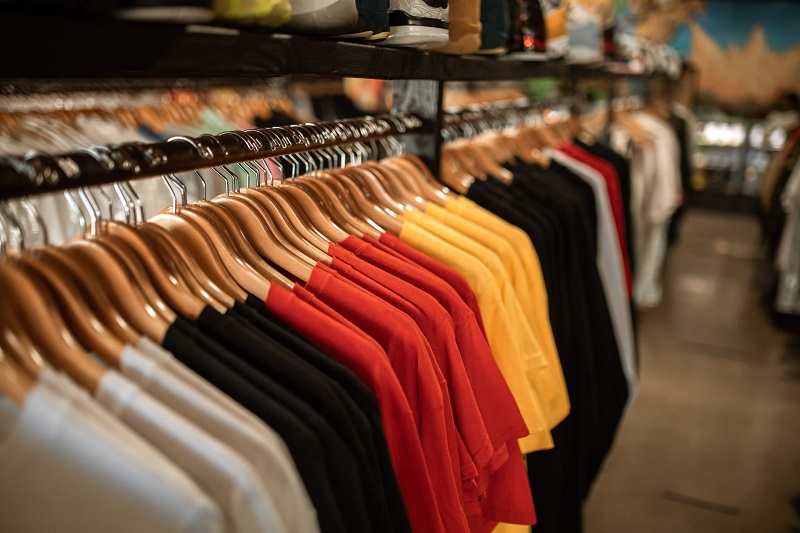
Walk into any high-street apparel chain and the visual merchandising does everything in its power to seduce your senses. Warm ambient lighting softens rough textures, industrial steamers leave garments looking crisp and substantial, and mannequins are pinned from behind to project an illusion of flawless tailoring. Yet take those clothes home, wash them twice, and the reality of modern retail sets in: seams begin to twist around your torso, hems unravel, and once-smooth knits break out in stubborn fuzz.
The fast fashion model is built on speed and razor-thin production margins, but that does not mean every garment on the rack is destined for the landfill. Within the exact same store—often hanging on the very same rack—you can find flimsy, corner-cutting garments right next to surprisingly resilient, well-crafted pieces. The difference comes down to manufacturing variance. Brands cycle through dozens of contracted factories each season, and some produce far better work than others. To find the gems that will actually endure in your closet, you have to look past the styling and learn how to audit fabric density, seam integrity, and garment geometry with your own hands.
Reading Fabric Quality Beyond the Composition Tag
Most shoppers immediately check the interior care label for fiber content. While checking whether a garment is cotton, wool, or polyester is a sensible first step, the composition tag tells only a fraction of the story. A label reading “100 percent cotton” or “pure linen” offers zero guarantee of longevity.
Natural fibers vary drastically in grade. Short-staple cotton, which is spun from short, broken plant fibers, feels soft on the retail hanger primarily because mills coat the finished cloth in chemical sizing agents, starches, and silicones. After two laundry cycles, those softeners wash down the drain, exposing a scratchy, weak base that easily develops holes. Long-staple cotton, by contrast, feels compact and smooth from the start without an oily or waxy residue.
To evaluate the base textile on the rack, employ three quick sensory checks:
-
The backlighting test: Hold the fabric up against the store’s overhead lighting. You are not just looking for sheer thickness, but for uniformity. A durable weave shows tight, consistent gridlines without thin patches, random slubs, or gaps between the threads.
-
The density and weight check: Drape the garment over your forearm. Quality textiles carry physical substance and drape toward the floor under their own weight. Flimsy fabrics float, billow awkwardly, and cling statically to your skin.
-
The blend reality: Do not automatically write off synthetic blends. While cheap acrylic knits will pill before the season ends, a touch of nylon in a wool knit dramatically boosts tear resistance, and two percent elastane in structured cotton denim helps the pants retain their shape through the knees. The danger lies in garments made predominantly of cheap, non-breathable polyester masquerading as silk, or delicate viscose that loses half its tensile strength the moment it gets wet.
The Structural Seam Audit: What Good Stitching Looks Like
A garment is only as resilient as the thread holding it together. In high-speed factories, sewing operators are pushed to meet punishing quotas, which leads to loose tensions, hurried seam runs, and cut corners that ruin an otherwise decent design.
Stitch Density and Tension
The easiest indicator of garment craft is stitch density, measured in stitches per inch. Pick up a seam along a shoulder or side torso and look closely at the thread line. Budget garments often feature wide, loose stitches with only five or six stitches per inch. These loose stitches allow the fabric pieces to shift under tension, creating visible gaps along the seam line.
A well-constructed everyday garment features between ten and twelve tight, uniform stitches per inch. The thread should sit flush against the fabric surface without pulling the cloth into tiny ripples or puckers. Puckered seams on a new garment mean the machine’s thread tension was improperly calibrated, an issue that will only worsen once the garment undergoes the heat of a washing machine.
The Gentle Seam Tug Test
Take the garment in both hands, placing your thumbs on either side of a major structural seam, and pull gently in opposite directions.
Observe what happens to the seam under moderate stress:
-
If the seam holds firm and the thread remains invisible, the stitch tension is balanced.
-
If the two pieces of fabric pull apart slightly, revealing a row of thread ladders or small open holes—often called a “smiling seam”—the garment will tear along that line after minimal wear. Put it back on the rack.
Seam Finishing and Edge Protection
Flip the hem or jacket opening inside out to inspect how the raw fabric edges are finished. Fast fashion reliance on serged, overlocked edges is universal, but the quality of that serging varies wildly.
Look for a tight, dense overlock stitch that completely wraps the cut edge of the fabric without allowing fraying threads to escape. Frayed thread tails left hanging loose at the ends of seams, missed loops along the stitch path, and thin, single-thread chain stitches that can be pulled loose like a string on a sack of flour are clear signs of rushed assembly. In higher-tier pieces, look for bound seams, flat-felled constructions, or French seams on lightweight blouses, where the raw edge is completely encased inside clean cloth.
Spotting Shortcuts in Garment Geometry and Grain
One of the most insidious ways fast fashion brands lower production costs is by compromising on how fabric patterns are laid out during cutting. Woven and knit fabrics possess an inherent grain line that runs strictly parallel to the selvage edge. For a shirt or dress to hang straight and drape naturally around the body, pattern pieces must be cut strictly on-grain.
To squeeze extra garments out of a single bolt of cloth, rushed cutting rooms frequently rotate pattern pieces slightly off-grain. You may not notice this flaw on the rack, but the consequences appear the first time you wash the item. If you have ever owned a t-shirt where the side seams gradually twisted around toward your belly button, you experienced an off-grain cut.
Hold the garment up by the shoulder seams at eye level and let it hang freely without touching your body. Look down the side seams to verify that they fall straight toward the hem without spiraling toward the front or back. If the garment appears to twist or pull to one side while hanging limp on the hanger, that geometric defect is permanent and cannot be corrected by ironing.
Pattern matching is another dead giveaway of manufacturing shortcuts. On garments featuring stripes, plaids, or prominent geometric prints, check where the front panels meet the back panels at the side seams, and examine the seam running across the center back. When patterns align seamlessly across seams, the factory spent extra time and discarded excess fabric to ensure visual balance. When lines collide at jarring, mismatched angles, you can be certain that every other step in that garment’s production was subjected to similar cost-cutting.
Examining Fasteners, Hardware, and Tailoring Margins
Small hardware choices reveal a manufacturer’s true priorities. Designers at mass-market brands know that few shoppers scrutinize the underside of a button or the teeth of an interior zipper, making hardware one of the first areas targeted for cost reduction.
Pay attention to these practical finishing details:
-
Buttonholes and shank wrapping: Buttonholes should feature dense, tightly wrapped stitching around the perimeter with clean, sharp cutouts. If the buttonhole is surrounded by a messy nest of loose threads that catch on the button as you push it through, the hole will fray and stretch out rapidly. For heavy coats and jackets, look for buttons mounted on a thread shank—a small thread column that elevates the button slightly above the fabric—allowing thick fabric layers to button flat without puckering.
-
Zipper quality and placement: Test every zipper several times. A reliable zipper glides smoothly without catching on the surrounding fabric tape, features solid metal stops at both ends, and lies completely flat when closed. Wavy, rippled zippers indicate that the zipper tape was stretched while being sewn into the garment, creating an unsightly bulge that will never press flat.
-
Hem depth and seam allowances: Inspect the inside hem of trousers, skirts, and sleeve cuffs. Cheap manufacturing cuts hems down to a quarter-inch sliver to save yardage, which causes hem edges to curl inward after washing. Quality garments provide a generous hem allowance—often an inch or more of turned-over fabric—which adds crucial structural weight to the bottom of the garment and leaves room for personal alterations if you need to adjust the length.
Two Quick Fitting Room Tests Before Buying
Before you commit your money at the register, use the privacy of the dressing room to subject the garment to two simple mechanical tests that simulate real-world wear.
The first is the crush test. Gather a handful of the garment’s skirt or body fabric into your fist, squeeze it firmly for five seconds, and release it. High-quality natural fibers and stable blends will blossom back out with minimal, soft creasing. If the fabric holds rigid, sharp folds that look like crumpled paper, that garment will look disheveled within fifteen minutes of sitting at your desk or in your car.
The second is the friction test. Rub two sections of the fabric against each other vigorously for ten seconds along an inconspicuous area, such as the inner hem or inner thigh. Examine the surface under bright light. If the friction immediately causes loose fibers to stand on end or produces tiny preliminary fuzz balls, the yarn consists of weak, short fibers that will develop heavy pilling within weeks.
Navigating fast fashion successfully is not about expecting artisanal perfection from an affordable price tag. It is about becoming an informed, discerning inspector who refuses to pay full retail for disposable shortcuts. When you train your fingers to feel fiber density, audit structural seams, and demand clean hardware, you stop gambling on fast fashion trends and start assembling a dependable, well-made wardrobe on your own terms.