

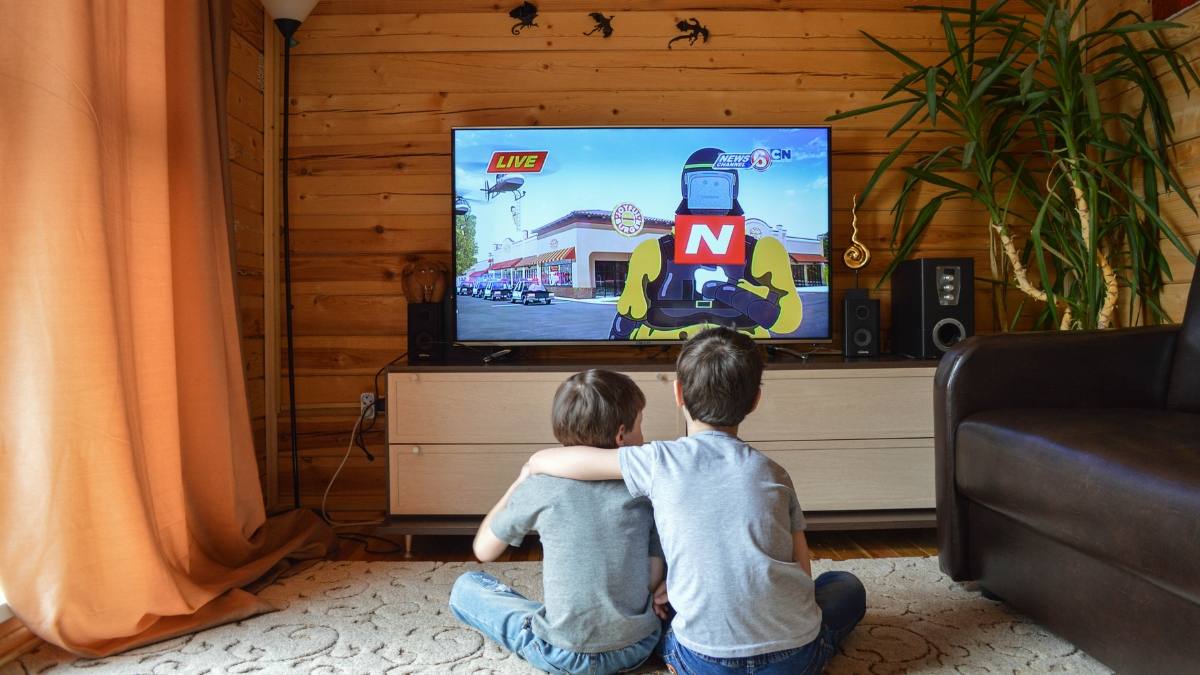
In an era defined by instant access and infinite content, immersive fandom has emerged as the next frontier in entertainment. This isn’t simply about watching a movie or streaming a show—it’s about immersing every sense, participating in the narrative, and becoming part of a culture that transcends the screen. For creators, platforms, and brands, the opportunity is vast—but only if they rethink how fandom is built, delivered and monetised.
In this article we’ll explore how immersive fandom is unfolding today and what it means for the entertainment ecosystem. You’ll gain insight into why it matters, what it looks like in practice, how technology is driving it, what business models are changing, what challenges lie ahead, and how forward-thinking players can capitalise.
Why immersive fandom matters
From passive viewing to active participation
The traditional model of entertainment went something like: you consume content (movie, show, song) → you move on. Now the shift is clear: audiences want to engage, interact, and co-create. They don’t just want to watch; they want to be part of the world. Immersive fandom enables that shift.
Deepening emotional connection
When fans can step into a story, physically or virtually, their emotional investment increases. Brands and creators who build deeper connection get not just views, but loyalty, advocacy, and longer-term value.
New revenue and business angles
Immersive fandom opens revenue streams beyond the box office or streaming subscription: virtual events, NFTs, branded experiences, merchandise linked to immersive worlds, direct monetisation of fan communities. The entertainment ecosystem is evolving to monetise experience as much as content.
Standing out in a saturated market
Content saturation is real—millions of hours of streaming, thousands of new releases every year. Immersive fandom offers a way to differentiate, to make a cultural moment rather than just another release.
What immersive fandom looks like in practice
Let’s break down the tangible manifestations of immersive fandom across five key areas:
1. Virtual events & live experiences
From live concerts streamed with interactive features, to fully virtual reality (VR) worlds — fans are attending entertainment that blends real-time participation with spectacle. Rather than just attending, they’re present in the moment, in the experience.
2. Interactive storytelling and transmedia worlds
Rather than a linear narrative, fans enter story universes where they can explore characters, environments, easter-eggs, alternate paths. This may include VR/AR overlays, companion apps, fan choice interactivity, or shared community platforms.
3. Fan co-creation & community building
Immersive fandom thrives on community. Fans build lore, share theories, create fan-made content, and become part of the creative ecosystem. The line between consumer and creator blurs.
4. Digital assets & ownership
NFTs, virtual wearables, digital collectibles tied to a fandom give fans a sense of ownership and identity within the world of the entertainment property. These assets deepen engagement and open monetisation channels.
5. Fusion of offline and online
Physical spaces (pop-ups, immersive installations, live shows) blend seamlessly with digital extensions, creating hybrid experiences where the fan lives the story both in the real world and the virtual one.
The technology enabling immersive fandom
Several emergent technologies are the engines powering this shift. Let’s explore three major ones:
Virtual Reality (VR) & Augmented Reality (AR)
VR creates fully immersive worlds; AR overlays digital elements in the physical world. Metaverse-style platforms are integrating these technologies to enable large-scale fan experiences. For example, the metaverse in entertainment market is projected to reach over US$221.7 billion by 2031. Allied Market Research+1
Blockchain, NFTs & digital ownership
Blockchain mechanisms allow fans to own unique digital assets tied to entertainment properties — from collectible tokens to virtual merchandise. These assets increase engagement because fans feel they actually own something connected to the experience. meegle.com
AI & data-driven personalisation
AI enables personalised fan journeys—tailoring experiences, suggesting story paths, adapting environments, even creating content in real-time based on fan behaviour. Combined with immersive tech, this can result in deeply customised fandom.
Business models being reinvented
Immersive fandom is not just a creative shift—it also demands a business shift. Several models are being transformed:
Subscription → access to worlds and experiences
Rather than paying for content by the hour, fans pay for access to entire story ecosystems, ongoing experiences, and interactive communities. Think of it like a membership into a living story world.
One-time event → recurring, evolving experience
Instead of a film release followed by nothing, franchises are evolving into ongoing worlds with updates, expansions, live events, fan interactions—all extending the lifespan of fandom.
Merchandise → blended digital/physical commerce
Merchandise is no longer just a T-shirt; it might be a limited-edition NFT, a digital avatar item, a wearable in VR, tied to a physical collectible. This layering increases value and bridges virtual and real.
Creator economy integration
Fans themselves become creators. Platforms embed monetisation for user-generated content within fandom ecosystems—so the community contributes to growth and value creation, not just the official studio.
Data & engagement monetisation
Understanding fan behaviour in immersive experiences allows brands and studios to monetise engagement, cross-sell, build loyalty, and extend lifetime fan value far beyond a one-off ticket or subscription.
Challenges and pitfalls to navigate
Even though the promise is enormous, immersive fandom comes with major risks and obstacles:
Tech-access & hardware barriers
For fully immersive VR/AR experiences, hardware adoption is still limited. If fans don’t have access, scale is constrained.
Attention fragmentation
Ironically, in a world of infinite content and interactive experiences, maintaining sustained fan engagement becomes harder. Immersive experiences can also fatigue faster.
Monetisation ethics and fan trust
Owning digital assets, paying for access, membership models—there’s a fine line between value and monetisation that alienates fans. Trust is crucial.
Complexity of building real worlds
Creating immersive universes is expensive, requires cross-discipline teams (technology, storytelling, design), and ongoing content updates. ROI may take time.
Privacy, safety, data concerns
Because immersive fandom often involves detailed tracking of user behaviour, avatars, virtual spaces, and digital assets, privacy and safety concerns become heightened. arXiv
Sustainability of hype
Many early “metaverse” entertainment bursts have been over-hyped and under-delivered. Studios must ensure the experience feels genuine, repeatable, and not just a gimmick.
How global entertainers are seizing the moment
Here are three examples of how immersive fandom strategies are playing out around the world:
-
Some major media reports list that in 2025 the focus in entertainment is shifting to experiential entertainment, new DTC models, and AI-powered platforms. EY+1
-
The metaverse in entertainment market size is forecasted to grow significantly—from ~$13.8 billion in 2021 to potentially ~$221 billion by 2031—highlighting the financial scale of this shift. Allied Market Research
-
Virtual and augmented reality are increasingly listed as the foundation for next-generation entertainment events and interactive storytelling. HotBot+1
Implications for creators, platforms and brands
If you are a creator, platform owner, or brand looking to ride the immersive fandom wave, here’s what to prioritise:
Focus on world-building, not just content
Design your story universe with layers of engagement: live events, fan interaction, community creation, digital assets. Don’t treat fandom as a by-product—design for immersion from the start.
Integrate technology thoughtfully
VR, AR, blockchain and AI are tools—but they must serve narrative and community, not just tech for tech’s sake. Prioritise accessibility and value for the fan.
Balance monetisation with authenticity
Monetise via experiences and assets, but always ensure the fan feels valued, not exploited. Consider tiered access, meaningful digital-physical blends, and reward structures for engagement.
Cultivate fan-creator collaboration
Encourage the fan community to create, share, remix, theorise. Incorporate feedback loops, let the community co-author the world. This fosters investment and longevity.
Measure engagement beyond views
Track community health, repeat participation, asset ownership, event return rates—not just premiere view counts. The lifeblood of immersive fandom is active engagement.
Prepare for iteration
Immersive worlds must evolve. Plan for updates, expansions, live experiences, community activation. Static content will not sustain immersive fandom long term.
The future outlook: Where immersive fandom is heading
Looking ahead, immersive fandom is poised to become a core pillar of entertainment strategy rather than a niche experiment. Some key future trends:
-
Fully social virtual worlds anchored around entertainment IP, where fans live, interact, discover and participate.
-
Hybrid live-digital events where physical attendance is complemented by immersive online presence and digital collectibles.
-
Cross-platform asset interoperability so fans carry their identities and digital possessions across experiences and platforms.
-
AI-driven dynamic narratives that adapt in real-time to fan decisions, making each experience unique and personalised.
-
Greater convergence of brand, culture and story-commerce, as fan identity becomes tied to these immersive worlds.
For entertainment companies that embrace this transformation early, the outcome isn’t simply another hit show or film—it’s the creation of a living cultural ecosystem, built around engagement, loyalty, and community, one that monetises not just consumption but participation.
FAQ –
Q1: What exactly qualifies as “immersive fandom” rather than just fan-marketing?
Immersive fandom goes beyond standard marketing or streaming. It means enabling fans to enter, participate in, and co-create the story world—becoming part of the narrative rather than just watching it. It involves interactive, multi-sensory, often communal experiences, and ownership of assets or identity within that world.
Q2: Do fans need VR headsets or special hardware for immersive fandom?
Not always. While VR/AR can enhance immersion significantly, many experiences are accessible via mobile, web or hybrid setups. The key is delivering meaningful interactivity, community and identity—not necessarily the top-end tech for all.
Q3: How can smaller creators leverage immersive fandom without massive budgets?
Focus on community and interactivity rather than spectacle. Build story extensions, activate fan participation, use social media to spark user-generated content, use digital assets (even simple ones) to start monetising loyalty. You don’t need blockbuster scale to start building an immersive ecosystem.
Q4: What risks should fans and creators be aware of?
Potential risks include: over-commercialisation that alienates fans; inaccessible tech that limits participation; privacy/data issues in immersive platforms; hype-driven gimmicks that don’t deliver ongoing value; community fatigue if worlds don’t evolve.
Q5: How does digital asset ownership (NFTs etc) practically enhance fandom?
Ownership gives fans a sense of identity and belonging in the entertainment world: a unique avatar, an asset exclusive to a particular event, a badge of participation. It deepens engagement because fans now have skin in the world, not just attention.
Q6: Will immersive fandom replace traditional content models (movies, streaming)?
Not entirely—but it will augment them significantly. Traditional content remains foundational, but immersive fandom adds layers—ongoing world-building, community, interactive events—that extend lifecycle and deepen value.
Q7: How can brands collaborate in immersive fandom without compromising authenticity?
Brands should align with story worlds and communities genuinely—offering value, not just promotion. Whether through branded experiences, digital assets, or co-creation with fans, authenticity comes from listening to and integrating fan voice, rather than interrupting the experience.