

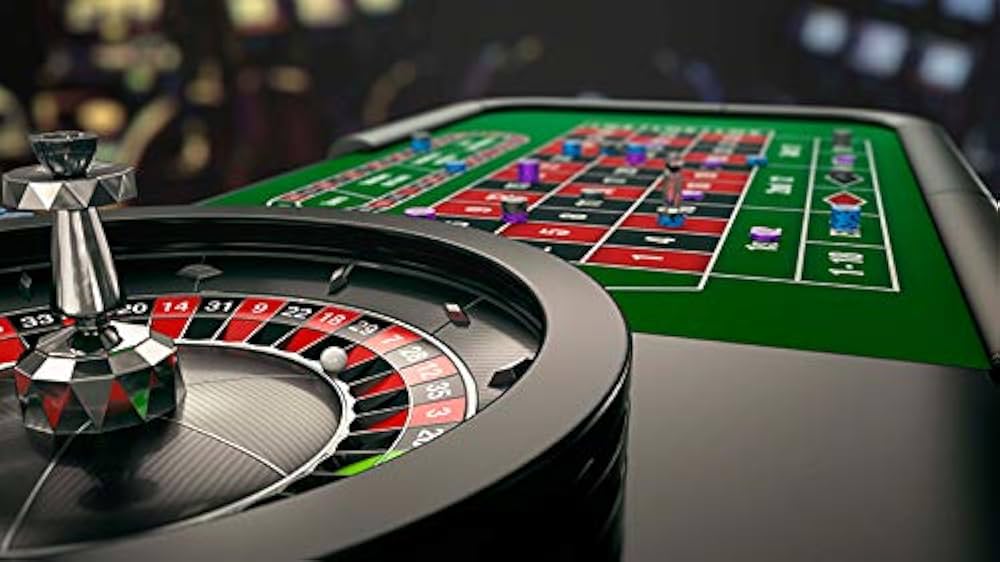
In the world of modern casinos, luck is no longer the only deciding factor. Today’s gaming floors and digital platforms operate on data-driven precision, powered by sophisticated predictive analytics. What was once a traditional industry driven by intuition is now guided by algorithms capable of forecasting human behavior, personalizing experiences, and optimizing profitability with unmatched accuracy. Predictive analytics is transforming the casino landscape from reactive management to proactive strategy, marking a new era where data science and entertainment converge.
Understanding Predictive Analytics in Casino Operations
Predictive analytics is the use of advanced data modeling, machine learning (ML), and artificial intelligence (AI) to forecast future events based on historical data. In casinos, this means anticipating player actions before they occur. Instead of simply tracking what a customer did last night, predictive analytics reveals what they are likely to do next. Every click, spin, and bet becomes a data point that contributes to a sophisticated behavioral profile. Casinos use these insights to improve decision-making across multiple domains—marketing, risk assessment, game development, and player engagement.
The Role of Data in the Modern Casino Ecosystem
Casinos today generate terabytes of data daily—from player loyalty programs and betting patterns to facial recognition cameras and mobile app activity. Each of these channels contributes to a holistic understanding of the player. For instance, slot machine telemetry data can reveal not only which games are most popular but also when players are most likely to stop playing. Meanwhile, CRM systems record spending habits and promotional responses, helping operators fine-tune their retention strategies. When aggregated and analyzed, these data points help casinos craft predictive models that optimize everything from staffing schedules to personalized offers, ensuring both efficiency and profitability.
Predictive Models That Drive Casino Profitability
Casinos employ several predictive models to analyze and optimize their operations:
1. Player Lifetime Value (PLV) Prediction
This model identifies which players will bring the highest long-term value based on current activity patterns. By analyzing betting frequency, deposit behavior, and game preference, casinos can estimate how profitable a player will be over time and allocate marketing resources accordingly.
2. Churn Prediction
One of the most important uses of predictive analytics in casinos is player retention. AI models can detect subtle changes in player engagement—like decreased session times or lower deposit frequency—and trigger retention campaigns before the player leaves permanently. Proactive retention saves casinos far more money than acquiring new customers.
3. Game Optimization Models
These models evaluate which games generate the highest engagement and revenue. By analyzing data across demographics, casinos can optimize their game mix, adjust payout ratios, and even develop new game features that align with player behavior trends.
4. Fraud Detection and Risk Analysis
Predictive analytics plays a crucial role in identifying unusual or fraudulent activity. By monitoring player transactions and betting anomalies, casinos can flag suspicious patterns early—whether it’s card counting at a blackjack table or algorithmic manipulation in online slots.
Enhancing Player Experience with Predictive Analytics
Beyond profitability, predictive analytics is revolutionizing the player experience. Modern players expect more than just a game—they expect a tailored, emotionally engaging journey. Casinos are meeting this demand by using data to anticipate preferences, offer personalized rewards, and deliver hyper-targeted content.
For example, if a player consistently enjoys roulette and plays during late hours, predictive systems might automatically send offers for exclusive night-time roulette tournaments. Similarly, in online casinos, predictive models power adaptive user interfaces, changing visual themes, difficulty levels, or betting suggestions based on the user’s mood and playing habits. This level of personalization strengthens brand loyalty and extends player lifetime value.
The Integration of AI and Real-Time Decisioning
The next frontier for casino analytics is real-time predictive modeling. This involves integrating AI systems that process live data streams and make instant decisions. Imagine a casino where every game terminal and digital interaction feeds into a central AI engine that updates player risk profiles, recommends rewards, and adjusts marketing tactics in milliseconds.
Such systems are already in use in some top-tier casinos, using technologies like streaming analytics and cloud-based AI inference engines. The result is a dynamic environment where casinos can adapt their offerings instantly, much like online retailers adjust product recommendations in real time.
Ethical and Privacy Considerations in Predictive Casino Systems
As powerful as predictive analytics is, it raises serious ethical concerns. The line between personalization and manipulation can become blurred when casinos know precisely how to trigger a player’s engagement. Excessive personalization might exploit psychological vulnerabilities, leading to problematic gambling behaviors.
To counter this, regulatory authorities are increasingly emphasizing responsible gaming analytics—AI models that detect problem gambling patterns and automatically intervene. These systems can suggest breaks, impose limits, or notify support teams when a player exhibits risk behaviors. The future of predictive casino analytics will depend on how well operators balance profitability with ethical responsibility.
The Impact of Predictive Analytics on Casino Marketing
Traditional marketing in casinos was often based on demographics and intuition. Predictive marketing, however, uses behavioral segmentation and data-driven modeling to deliver hyper-personalized campaigns. Casinos now analyze player sentiment, emotional response, and engagement triggers to optimize ad placements, rewards, and cross-channel promotions.
Dynamic segmentation allows marketing systems to constantly update player categories based on new data. For instance, a player who starts engaging with high-volatility slot games might instantly be reclassified into a “high-risk, high-reward” segment, triggering an entirely new set of promotional offers tailored to that mindset.
The results? Higher conversion rates, reduced ad waste, and more meaningful customer relationships—all driven by algorithms that learn and evolve continuously.
The Future: Predictive Analytics Meets Immersive Technology
The integration of predictive analytics with emerging technologies like AR (Augmented Reality), VR (Virtual Reality), and blockchain is redefining what’s possible in casino gaming. Imagine walking through a virtual casino where the environment, sounds, and challenges adapt dynamically based on your playstyle. Predictive algorithms will soon enable such personalized immersive experiences that feel entirely unique to each player.
In physical casinos, predictive analytics combined with IoT sensors could enhance everything from table layouts to air quality control. Smart cameras might adjust lighting based on player engagement levels, while AI-powered dealers recognize returning players and recall their preferences. The convergence of data and immersive design is setting the stage for a new generation of intelligent, responsive gaming environments.
Challenges Facing Predictive Analytics in Casinos
Despite its potential, implementing predictive analytics in casinos comes with significant challenges:
-
Data Security: Handling vast amounts of personal data increases exposure to cyber threats and compliance issues.
-
Integration Complexity: Legacy systems often lack compatibility with AI-driven platforms.
-
Regulatory Hurdles: Jurisdictions vary in how they regulate data-driven gambling tools, particularly regarding responsible gaming.
-
Skill Gaps: The demand for data scientists and AI specialists in the casino industry far exceeds current supply.
Addressing these challenges will require a combination of technology investment, workforce training, and stronger cross-industry collaboration between gaming companies, regulators, and tech providers.
Conclusion
Predictive analytics is reshaping the casino industry from the inside out. What began as a tool for understanding players is now the foundation for creating smarter, safer, and more profitable gaming ecosystems. As AI, data science, and immersive technologies continue to converge, the casino of the future will be defined by its ability to predict—not just react to—human behavior.
The winners in this next era won’t be those who rely solely on luck, but those who master the art of intelligent prediction.
FAQs
1. How do casinos use predictive analytics to prevent problem gambling?
Casinos use AI algorithms that detect risky behavior patterns, such as increased betting frequency or chasing losses, and automatically trigger interventions like play reminders or time limits.
2. What kind of data do casinos collect for predictive analytics?
Casinos gather data from loyalty programs, betting histories, biometric sensors, mobile apps, and even social media engagement to form comprehensive behavioral profiles.
3. Are predictive analytics models used more in physical or online casinos?
While online casinos adopted them first, physical casinos are rapidly catching up, integrating predictive tools into surveillance systems and on-site customer service.
4. How does predictive analytics impact casino marketing strategies?
It enables hyper-personalized marketing by predicting which offers, games, or rewards will resonate most with individual players.
5. Can predictive analytics help design better casino games?
Yes, game developers use predictive insights to determine which mechanics, volatility levels, and reward frequencies sustain long-term engagement.
6. Is player data secure when used in predictive models?
Most reputable casinos employ strong encryption and anonymization protocols to ensure data privacy and compliance with regulations.
7. What’s next for predictive analytics in casinos?
The next evolution involves integrating real-time AI decision engines with immersive technologies like VR and AR to deliver adaptive, personalized gaming environments.