

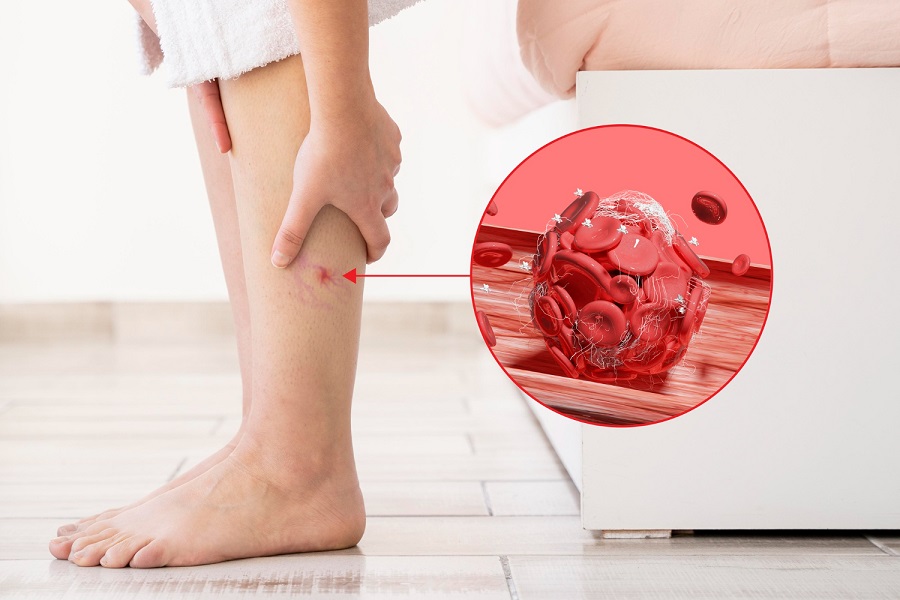
A persistent cramp in your calf after a long road trip or a sudden stitch in your chest after climbing a flight of stairs usually feels like an ordinary nuisance. We are conditioned to blame tight hamstrings, dehydration, a pulled muscle, or a lingering respiratory bug. In most instances, those everyday assumptions prove true. Yet within the circulatory system, a quiet and potentially lethal crisis can present itself under those exact mundane disguises.
Blood clots are master mimics. When a thrombus forms inside the deep venous network of the body, it rarely announces itself with dramatic flair. Instead, it tends to whisper, starting as an isolated ache, a subtle patch of swelling, or an inexplicable flutter of breathlessness. Because the window between an isolated clot in the leg and a life-threatening blockage in the lungs can close rapidly, recognizing the earliest physical warning signs is one of the most critical health skills you can develop.
Deep Vein Thrombosis: When a Leg Ache Signals Danger
Venous blood in the legs works against gravity to travel back up to the heart, propelled by the rhythmic contraction of calf and thigh muscles. When circulation slows down or vein walls suffer microscopic irritation, blood cells can aggregate into a semi-solid mass. This condition is known medically as deep vein thrombosis (DVT).
Unlike superficial blood clots that appear as hard, visible cords directly beneath the skin surface, DVT occurs deep inside muscular tissue. Because of this depth, the symptoms are often indirect and easy to misjudge.
Asymmetrical Swelling in One Limb
The hallmark indicator of a deep vein clot is unilateral swelling—swelling that affects only one leg. While systemic conditions like kidney disease, heart failure, or prolonged standing often cause fluid retention in both ankles simultaneously, a blood clot acts like a localized dam.
Fluid backs up behind the obstruction, causing the affected calf, ankle, or thigh to swell noticeably compared to the opposite side. If you press your finger into the swollen tissue and notice it feels firm, tight, or visibly distended compared to your other leg, that asymmetry warrants immediate medical scrutiny.
Deep, Persistent Cramping That Defies Stretching
People frequently describe the pain of a DVT as a stubborn charley horse that refuses to release. Unlike an ordinary muscle spasm that eases after a few minutes of stretching, hydration, or gentle massage, clot-related pain tends to worsen progressively over hours or days.
The discomfort often presents as a deep, throbbing tenderness concentrated in the belly of the calf. It typically intensifies when standing, walking, or flexing the foot upward toward the shin. If you have not recently sprinted, lifted heavy weights, or sustained a physical impact, an unrelenting deep cramp should never be dismissed as simple muscular soreness.
Localized Heat and Skin Discoloration
As blood stagnates behind a vascular blockage, the pooling fluid causes localized inflammation. If you run your hands along both legs, the area surrounding a clot will frequently feel distinctly warm to the touch.
This inflammation also alters the appearance of the skin:
- The calf or inner thigh may take on a reddish, flushed, or sunburned appearance that does not fade.
- In other cases, poor circulation lends the limb a faint bluish or purplish sheen, particularly around the foot and ankle.
- The skin over the swollen area may appear taut, glossy, or stretched, with superficial surface veins becoming suddenly prominent.
The Dangerous Journey: How Leg Clots Migrate to the Lungs
A clot confined to the lower leg is serious, but the true peril lies in its potential mobility. Deep veins grow progressively wider as they travel upward through the pelvis, abdomen, and into the vena cava, the main highway carrying deoxygenated blood into the right side of the heart.
If a piece of the thrombus breaks loose, it travels effortlessly through these widening vessels. It passes through the chambers of the heart and enters the pulmonary arteries, which branch out into increasingly narrow networks inside the lungs. There, the dislodged fragment wedges tightly into a vessel, choking off blood flow and preventing vital oxygen exchange. This secondary complication is a pulmonary embolism (PE), a medical emergency capable of causing irreversible organ damage or cardiac arrest within minutes.
Critical Warning Signs of a Pulmonary Embolism
When a clot strikes the pulmonary bed, the body sounds an immediate alarm. While a DVT can develop over several days, pulmonary embolisms frequently strike with terrifying speed.
Sudden, Unexplained Shortness of Breath
The most universal symptom of a pulmonary embolism is acute dyspnea—a sudden sensation of air hunger that arrives without an obvious trigger. You may feel entirely fine while sitting at a desk, only to feel as though you have sprinted up a steep hill seconds later.
Unlike asthma or bronchitis, which typically build over time and feature wheezing, PE-induced breathlessness feels dry, abrupt, and completely disproportionate to your physical activity. Resting does not relieve the sensation, and taking a deep breath fails to satisfy the body’s demand for oxygen.
Pleuritic Chest Pain
Chest pain caused by a pulmonary clot has a distinct signature. It is rarely the heavy, crushing pressure across the center of the chest associated with a classic heart attack. Instead, it is usually sharp, stabbing, and intensely pleuritic.
This means the pain spikes sharply when you take a deep breath, cough, sneeze, or bend over at the waist. Because the inflamed lung tissue rubs against the chest wall during expansion, each inhalation feels like a knife edge catching between the ribs. The pain is typically localized to one side of the chest or back, leading many individuals to mistakenly believe they have pinched a nerve or strained an intercostal muscle.
Tachycardia, Dizziness, and Hemoptysis
As the heart strains to pump blood past the pulmonary obstruction, your cardiovascular system shifts into overdrive to maintain adequate blood pressure:
- Unexplained rapid heart rate: Your pulse may surge past one hundred beats per minute while you are resting quietly, accompanied by a sense of fluttering palpitations.
- Lightheadedness or syncope: A sudden drop in oxygenated blood reaching the brain can trigger intense dizziness, cold sweats, or sudden fainting.
- Coughing up blood: In cases where lung tissue experiences localized infarction, a persistent dry cough can produce pink, frothy sputum or visible streaks of bright red blood.
Recognizing the Context: High-Risk Triggers
Blood clots rarely materialize out of thin air. In clinical medicine, clots are understood through three converging factors: slowed blood flow, vein trauma, and heightened blood stickiness. If your symptoms coincide with any of the following scenarios, the likelihood of a clotting event climbs dramatically:
- Extended physical immobility: Long-haul flights exceeding four hours, road trips with minimal stops, or prolonged bed rest following illness or surgery drastically slow lower-limb venous flow.
- Recent surgical procedures or trauma: Orthopedic operations, especially knee or hip replacements, carry high baseline clotting risks due to localized tissue manipulation and post-operative recovery periods.
- Hormonal shifts: Elevated estrogen levels from oral contraceptives, hormone replacement therapy, or pregnancy increase clotting factor concentrations in the blood.
- Underlying medical conditions: Active cancer, autoimmune disorders, a personal or family history of clotting anomalies, obesity, and active smoking all elevate vascular risk.
Navigating the Decision to Seek Care
When it comes to vascular emergencies, waiting to see if things improve by morning is the most dangerous choice you can make. The diagnostic pathway for these conditions is well established, rapid, and painless, typically involving specialized blood tests like the D-dimer, venous Doppler ultrasounds for the legs, and computed tomography (CT) pulmonary angiograms for the chest.
If you observe asymmetrical swelling, persistent calf pain, or localized warmth in a single leg, contact your primary care physician or head to an urgent care center equipped with vascular ultrasound capabilities on the same day.
However, if you experience sudden shortness of breath, sharp chest pain with inhalation, an erratic resting pulse, or coughing up blood, do not attempt to drive yourself to a clinic. Call 911 or have someone take you to the nearest emergency room immediately. Treating a blood clot is straightforward and highly effective when caught early with modern anticoagulant medications, but survival hinges entirely on trusting your instincts before the warning signs escalate.