

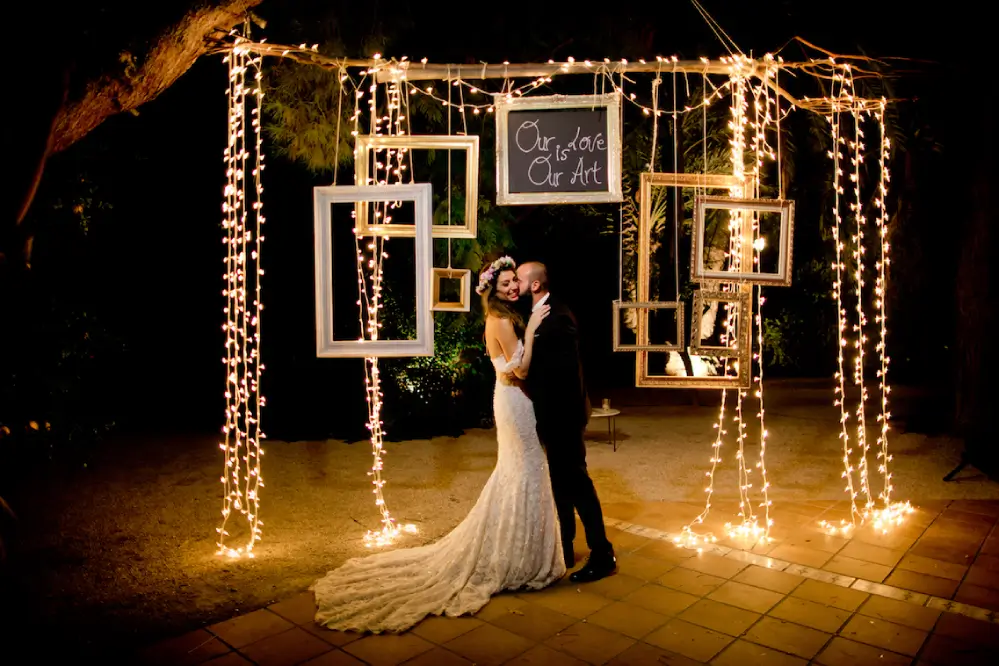
Weddings have evolved beyond pretty flowers and playlists. Couples now seek experiences that linger — moments that touch memory through scent, sound, taste, texture, and light. This article explains, in practical detail, how to design a multisensory micro-wedding (intimate guest list, high design) that feels luxurious, personal, and unforgettable — without being gimmicky. If you want your ceremony and reception to be remembered sensorially, read on.
Why a multisensory approach matters (and why it’s perfect for micro-weddings)
-
Emotional imprinting: Human memory is tightly linked to senses; a carefully chosen scent or sound can instantly transport guests back to the moment.
-
Intimacy by design: Micro-weddings (50 guests or fewer) allow for precise control over sensory elements — you can personalize each detail more deeply than at a large event.
-
Differentiation: Couples who sculpt an experience rather than stage an event create organic word-of-mouth and higher social media engagement.
Start with a narrative — the sensory story arc
Before booking vendors, craft a sensory storyline — a short paragraph that describes how you want guests to feel, from arrival to final farewell. Example: “Arrival → Quiet welcome scent → Intimate acoustic ceremony → Communal tasting menu → Joyful, warm lighting for dancing → Soft lavender farewell.”
This narrative becomes the decision filter for every choice: scent, music, menu, textures, and lighting. Keep it concise and repeat it to every vendor.
Scent: the invisible anchor
Why scent first? Smell bypasses logic and connects directly to emotion. A tailored scent can anchor your wedding in memory.
How to implement:
-
Choose 1–2 signature notes (e.g., bergamot + cedarwood or lavender + peach).
-
Use layered delivery: reed diffusers in reception alcoves, a subtle scent plume near the ceremony aisle, and scented program cards (micro-encapsulated fragrance).
-
Avoid overpowering aerosol sprays; favor slow-release methods to maintain subtlety.
-
Account for sensitivities: include fragrance-free zones (entrance or seating area) and list scent notes on the invitation for guests with severe allergies.
Practical tip: Do scent tests in the actual venue at the same time of day you’ll be married — HVAC, humidity, and upholstery can change how notes project.
Sound: beyond the playlist — sound design
Think of sound in layers:
-
Ambience layer: natural room tone, water features, or a curated field recording (birds, faint church bell) played low during arrival.
-
Ceremony layer: live acoustic performance or a bespoke soundscape tailored to vows and readings.
-
Reception layer: dynamic programming — downtempo during dining, peak energy for dancing.
Important considerations:
-
Acoustics: test the venue for reverberation. Drapes and textured fabrics absorb sound; stone and glass amplify it.
-
Transitions: create audio cues (a short instrumental motif) that signal movement between ceremony and dinner to gently guide guests.
-
Volume etiquette: prioritize conversation during dining — keep music below 65 dB to allow speech.
Vendor brief sample: “We want a warm, intimate audio experience with two focal points: an acoustic string trio for the ceremony and a DJ who blends modern electronic remixes with live percussion for the reception.”
Taste & culinary storytelling: food as memory
An immersive menu should support your story arc and reflect place, family, or travel history.
Design elements:
-
Course sequencing: small, highly flavored bites for arrival (spark curiosity), a ceremonial communal course (shared platters), and a concluding sweet that echoes your scent palette.
-
Textural play: contrast creamy, crunchy, and acidic elements to keep palates engaged.
-
Pairings: match cocktails and non-alcoholic options with scent and music — e.g., an herbaceous aperitif to mirror the ceremony’s green scent notes.
Elevated ideas for micro-weddings:
-
Chef-led tasting station where the chef explains one-course stories to a few guests at a time.
-
Family recipe activation: modern reinterpretations of a beloved family dish served as a small plate during the ceremony recessional.
Logistics: smaller guest counts enable plated tasting menus without breaking the bank. Plan for 2–3 staff per 10 guests to ensure service is smooth and unhurried.
Texture and touch: the tactile vocabulary
Why texture matters: Guests touch more than they realize. Tactile contrasts make the environment feel curated.
How to layer texture:
-
Tabletops: linen runners with raw edge, matte ceramic plates, and soft napkins — mix hard and soft surfaces.
-
Seating: consider velvet cushions or woven chair ties that invite touch.
-
Programs & keepsakes: use cotton rag paper, blind emboss, or silk ribbons for a tactile premium feel.
-
Guest interaction: provide hand-painted fans for outdoor ceremonies or personalized blankets for evening chill.
Sustainability angle: choose biodegradable materials or reusable textiles to keep texture luxe and eco-sensible.
Light: choreography and mood sculpting
Lighting is the most immediate visual cue for mood shifts.
Phases of lighting design:
-
Welcome glow: warm, low light to encourage mingling.
-
Ceremony focus: directional, soft up-lighting for the altar; candle lanes for an intimate aisle.
-
Dining: clusters of warm pendant lights over each table rather than a single overhead wash.
-
Dance/farewell: dynamic color washes, but keep the ceremony and dinner palettes cohesive.
Technical pointers:
-
Use dimmers to smoothly transition energy between segments.
-
Bring gobos (patterned light) that echo your invitation motif for cohesive branding.
-
For outdoor micro-weddings, plan for generator capacity and insect-safe lighting (warm LEDs).
Choreography: mapping the guest journey
A multisensory experience requires deliberate choreography — a guest journey map with timing, cues, and staff roles.
Elements of a guest journey map:
-
Arrival (10–30 minutes): welcome scent, soft ambience, signature mocktail
-
Ceremony (20–35 minutes): sound cues at processional, vows, recessional
-
Transition (15–30 minutes): guided by audio motif, passed small bites
-
Dinner (90–120 minutes): curated courses, storytelling interludes
-
After-party (60+ minutes): mood uplift with lighting and music changes
-
Farewell: scent token or small keepsake matching the sensory notes
Staff training: hold a run-through with your vendor team to align cues (lighting, music, service). Micro-weddings give you the luxury of rehearsal time — use it.
Vendor coordination & contracts: locking in sensory fidelity
What to include in briefs and contracts:
-
Clear sensory narrative paragraph.
-
Deliverables by phase (tech spec for sound, scent diffusion schedule, lighting design).
-
On-site testing times and recalibration clauses.
-
Allergy and accessibility policies.
-
Contingency plans for weather (if outdoor).
Budgeting: sensory design often reallocates funds from décor to experience. Expect to budget 10–20% more for bespoke audio, scent design, and culinary storytelling than a standard micro-wedding of similar scale.
Sustainability & accessibility: inclusive sensory choices
-
Accessibility: offer captioned readings or printed ceremony scripts for hard-of-hearing guests; avoid excessively loud sound cues.
-
Allergies & neurodiversity: inform guests about scent and menu notes on RSVPs; create quiet zones for sensory-overwhelmed attendees.
-
Sustainable materials: reusable linens, local food sourcing, and soy or beeswax candles mitigate environmental impact.
Measuring success: what to look for after the day
-
Emotional indicators: guests referencing a scent, song, or flavor in conversations or messages.
-
Behavioral cues: people lingering in intentionally designed spaces (candlelit alcoves, chef stations).
-
Digital echo: meaningful social posts with captions that describe how they felt (not just how it looked).
-
Personal reflection: create a couple’s debrief checklist to record what worked, what felt off, and guest feedback notes.
Sensory checklist (quick operational list)
-
Finalize sensory narrative
-
Scent notes selected + diffusion method
-
Soundscape playlist + live musician brief
-
Chef tasting + menu pacing
-
Textural samples: linens, tableware, keepsakes
-
Lighting plot with cues
-
Accessibility & allergy disclosures
-
Vendor rehearsal schedule
-
Backup plan for weather/technical failure
Final thoughts
A multisensory micro-wedding is not about excess; it’s about intentional layering. When scent, sound, taste, touch, and light are orchestrated around a cohesive narrative, the result is an intimate event that lives in memory. Micro-weddings give you the rare advantage of control — use it to craft an experience that guests remember not just because it looked beautiful, but because it felt beautiful.
FAQ
Q1: How do I handle guests with scent sensitivities without losing a signature fragrance?
Offer clear pre-wedding communications listing the scent notes and create scent-free zones (e.g., at the ceremony entrance). Use low-impact, slow-release diffusers instead of sprays and keep concentrations subtle.
Q2: Can I pair the menu with the music? How would that work practically?
Yes. Create a sensory pairing map: assign a musical motif or tempo to each course. Brief the band/DJ on tempo shifts and coordinate lighting cues so the dining moment feels choreographed but conversational.
Q3: What’s a realistic budget percentage for adding sensory design to a micro-wedding?
Expect to reallocate roughly 10–20% of your total budget toward bespoke sensory elements (scent design, sound engineer, chef tasting/stations, lighting cues). Micro-weddings provide cost efficiency because fewer guests reduce per-head overhead for high-quality components.
Q4: How can I make scent feel personal rather than like a commercial fragrance?
Work with a perfume designer or a florist to blend personal notes — perhaps a childhood memory (jasmine from a grandmother’s garden) or a favorite travel scent — and use it subtly in layered forms (paper, diffusers, culinary elements).
Q5: Are there accessibility considerations for visually impaired guests in a multisensory wedding?
Absolutely. Use tactile signage, offer descriptive audio for ceremony moments, and provide seating that allows easy navigation. Sensory design can enhance accessibility when planned inclusively.
Q6: What’s the best way to document the sensory aspects for later memory-keeping?
Hire a filmmaker or photographer who understands sensory storytelling — ask them to capture audio clips, close-ups of tactile elements, and candid reactions. Collect scent samples or printed program copies as keepsakes.
Q7: How should I plan contingencies for outdoor sensory elements affected by weather?
Have a weather backup that includes alternate scent delivery methods (indoor diffusers), sound amplification adjustments, and lighting rigs rated for outdoor use. Confirm vendor cancellation and relocation clauses well before the date.