

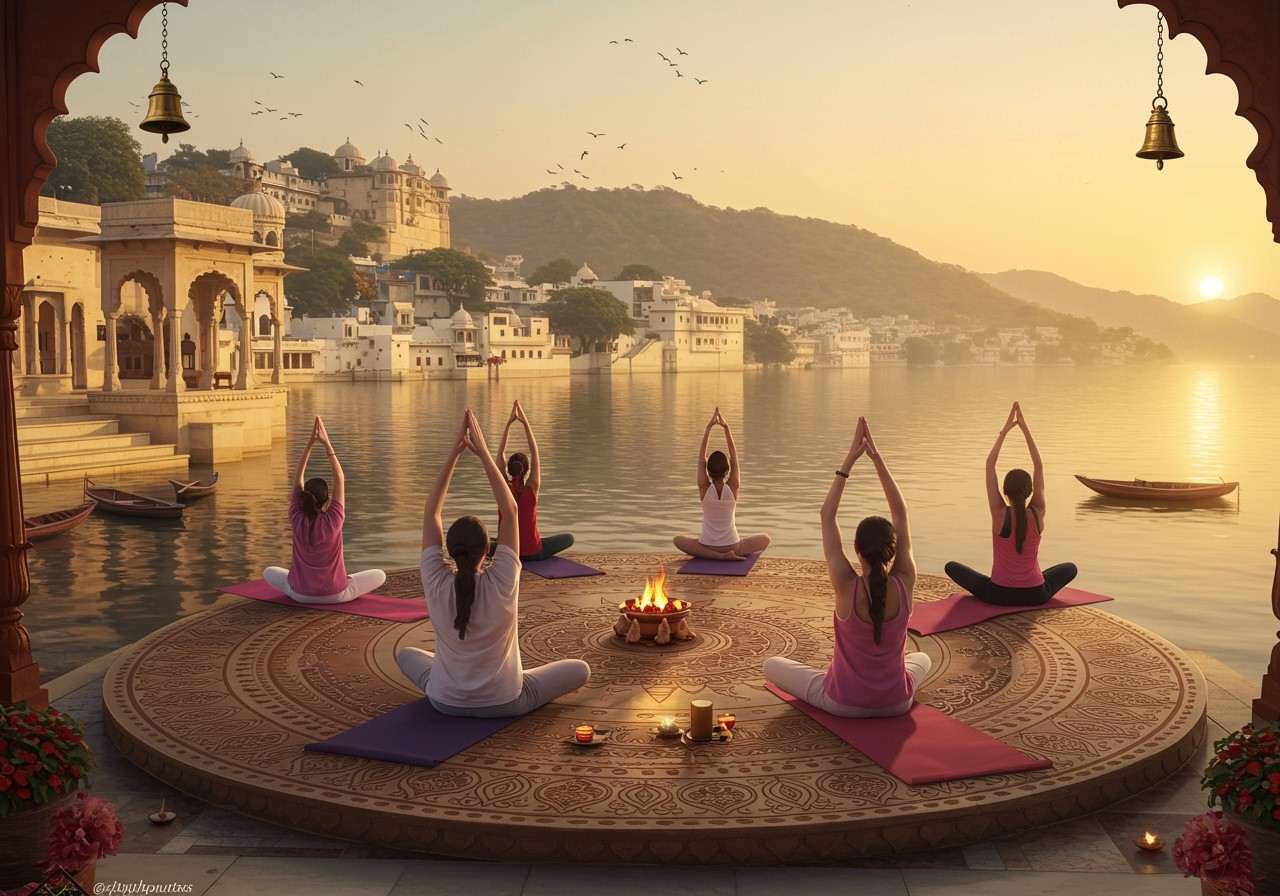
Introduction: Why Travelers Are Slowing Down in a Fast World
In an age where cheap flights, instant itineraries, and social media “check-ins” dominate the travel scene, a quiet revolution is taking place. Travelers are no longer racing to tick destinations off their bucket lists—they’re seeking depth over distance. This shift has birthed a new movement known as “Slow Travel.”
Slow Travel isn’t about moving at a snail’s pace; it’s about intentional movement. It challenges the high-speed, itinerary-packed trips of traditional tourism and replaces them with immersion, connection, and sustainability. This mindful approach is reshaping global tourism and redefining what it means to truly experience a place.
What Is Slow Travel and Why It Matters Now
At its core, Slow Travel is an ethos—a mindset that values meaningful experiences over rushed sightseeing. Rather than hopping from city to city, slow travelers choose to stay longer in fewer places, allowing themselves to engage with the rhythm of local life.
This movement originated from the broader Slow Living philosophy, which began in Italy as a reaction to fast food culture. Today, it represents a growing rejection of over-tourism, burnout, and digital overload.
Why It’s Gaining Momentum
-
Post-pandemic priorities: Travelers now crave authentic, human-centered experiences.
-
Environmental awareness: Staying longer in one place reduces carbon footprints.
-
Mental well-being: Slow Travel alleviates travel stress and fosters mindfulness.
-
Cultural curiosity: Deeper engagement brings travelers closer to local traditions and values.
The Core Principles of Slow Travel
To understand why this movement has such a strong impact, we need to look at its key principles that distinguish it from traditional travel styles.
1. Depth Over Distance
Slow travelers choose to experience one destination in depth rather than rushing through many. It’s about forming relationships with the place—getting to know the baker, visiting the same café every morning, or learning a few phrases in the local language.
2. Conscious Transportation
Instead of short-haul flights, slow travelers prefer trains, bicycles, or walking tours. These modes not only reduce emissions but also create opportunities to appreciate the landscapes and transitions between destinations.
3. Sustainable Choices
Eco-friendly accommodations, local markets, and small businesses form the backbone of Slow Travel. Supporting these reduces environmental impact while enriching the local economy.
4. Flexibility Over Itineraries
Rigid schedules can suffocate spontaneity. Slow Travel encourages flexibility—lingering longer where your heart feels at home or skipping popular spots in favor of quiet, undiscovered corners.
5. Immersive Cultural Experiences
Instead of checking off landmarks, slow travelers join community workshops, local cooking classes, or traditional ceremonies. These experiences connect travelers with the soul of a place, not just its image.
How Technology Is Powering the Slow Travel Movement
Ironically, the same technology that fuels fast-paced tourism is now helping travelers slow down. Digital tools are no longer just about speed—they’re about intention.
-
Local apps and communities such as Couchsurfing and Workaway allow cultural exchanges and longer stays with locals.
-
Remote work flexibility has made it possible for professionals to blend travel with productivity, extending their stays in destinations they love.
-
Sustainable travel platforms now showcase eco-conscious accommodations and routes, guiding mindful choices.
Technology isn’t the enemy of Slow Travel—it’s an ally that can help make travel more balanced, ethical, and fulfilling.
Destinations Embracing the Slow Travel Ethos
Some places around the world have naturally aligned with this philosophy due to their pace, culture, or geography.
1. Kyoto, Japan
A city that thrives on subtlety and tradition. Visitors are encouraged to observe tea ceremonies, meditate in Zen gardens, and witness centuries-old craftsmanship at a human pace.
2. Tuscany, Italy
Where the original “slow” concept was born. Here, life revolves around local produce, family, and heritage. The rolling hills, vineyards, and rustic villages invite travelers to stay, sip, and savor.
3. Kerala, India
With its backwaters, Ayurveda traditions, and homestays, Kerala promotes a holistic connection between nature, body, and mind—perfect for the Slow Travel lifestyle.
4. Patagonia, Chile
A paradise for mindful adventurers. Long hikes, remote lodges, and unspoiled nature offer the ultimate form of slow exploration.
The Socioeconomic Impact of Slow Travel
Slow Travel doesn’t just benefit the traveler—it transforms communities. When visitors stay longer and spend locally, money flows directly into small economies instead of large corporations.
-
Empowering Local Businesses: Artisans, guides, and family-run accommodations gain steady income and recognition.
-
Preserving Culture: Extended stays encourage cultural respect and awareness rather than commercialization.
-
Reducing Over-Tourism: Concentrating on lesser-known destinations disperses travel pressure from overcrowded cities.
-
Encouraging Responsible Development: Governments and organizations see the value in sustainable, long-term tourism strategies.
The ripple effect of Slow Travel can be profound—it strengthens local economies while promoting respect and balance between host and guest.
Practical Ways to Embrace Slow Travel
Adopting a slower travel style doesn’t require drastic changes—just intentional ones. Here’s how you can start:
-
Choose one destination and stay longer. Spend at least a week to truly settle into the rhythm of local life.
-
Opt for homestays or eco-lodges. They provide authentic cultural interactions and a smaller ecological footprint.
-
Ditch the checklist. Replace “must-see” lists with meaningful moments—like sharing meals or volunteering locally.
-
Travel light and local. Use public transport or bike rentals to explore.
-
Engage with local traditions. Learn a craft, attend a festival, or help with a community project.
-
Disconnect from constant connectivity. Spend time offline to appreciate your surroundings fully.
These steps encourage travelers to be present, which is the heart of the Slow Travel philosophy.
Why Slow Travel Is the Future of Sustainable Tourism
As climate change and over-tourism continue to threaten the planet, Slow Travel presents a practical, people-centered solution. It promotes sustainability through moderation, ensuring that future generations can explore the same wonders without depletion.
The travel industry is also taking note—many destinations are introducing policies to limit visitor numbers, promote longer stays, and reduce environmental strain. As awareness grows, slow may very well become the new standard for meaningful travel.
Conclusion
Slow Travel isn’t a trend—it’s a transformation. It’s about rejecting the idea that travel should be a race and embracing the notion that every journey is a story best told slowly. By traveling intentionally, we rediscover what exploration was always meant to be: a dialogue between people, culture, and nature.
The next time you plan your trip, consider not how many countries you’ll visit, but how deeply you’ll connect with just one.
FAQs
1. Is Slow Travel only for long-term travelers?
Not at all. Even a short trip can be “slow” if approached mindfully. It’s about how you travel, not how long you travel.
2. Does Slow Travel cost more than traditional travel?
It can actually be cheaper since you avoid frequent transportation costs and opt for local accommodations and meals.
3. How can digital nomads integrate Slow Travel into their lifestyle?
By choosing base locations for months at a time, engaging with communities, and balancing work with cultural experiences.
4. What are the environmental benefits of Slow Travel?
Reduced air travel, lower energy consumption, and support for sustainable local economies all contribute to a smaller carbon footprint.
5. Can Slow Travel be done in big cities?
Absolutely. By exploring neighborhoods in depth, supporting local businesses, and taking public transport, you can experience a city slowly.
6. Is Slow Travel suitable for families?
Yes, it’s ideal for families. It offers deeper learning experiences for children and promotes quality time together without rushing.
7. What’s the best way to start practicing Slow Travel?
Begin by spending more time in fewer places, planning flexible itineraries, and focusing on genuine human and cultural interactions.